We may earn a commission when you buy through links on this page, at no extra cost to you; see our Affiliate Disclosure.
Epilating removes hair from the root with a small electric device, and many people find it painful, especially the first few times. This guide explains why epilation hurts, simple ways to make it more comfortable, and what you should know before using an over-the-counter numbing cream, including the safety warnings the U.S. Food and Drug Administration (FDA) has issued about topical anesthetics.[1] We don’t recommend specific numbing products.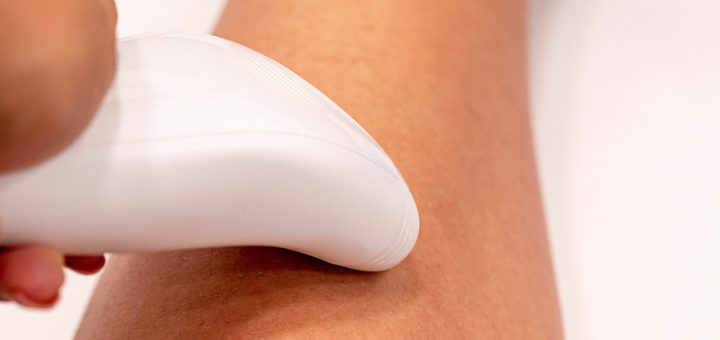
Safety first: FDA warnings on numbing creams
- The FDA has warned consumers to avoid over-the-counter pain relief products with more than 4% lidocaine and products marketed for numbing before cosmetic procedures, because high doses absorbed through the skin can cause serious side effects.[1]
- Reported dangers include irregular heartbeat, seizures and breathing problems. The risk goes up when a cream is applied thickly, over a large area, on irritated or broken skin, or covered with plastic wrap, or when the skin is heated.[1]
- Numbing creams are drugs, not cosmetics. Follow the label exactly and ask a doctor or pharmacist before using one, especially if you have heart or liver problems, are pregnant or breastfeeding, or take other medicines.[2]
- Get emergency help right away if you feel dizzy, confused or faint, or have a racing or irregular heartbeat or trouble breathing after using one.[1]
This guide is general information, not medical advice.
Epilation as Hair Removal
Epilators use many small rotating tweezers to pull hairs out at the root. Results last longer than shaving because the hair has to regrow from the follicle, but pulling hairs out can be painful and can cause ingrown hairs or irritated follicles.[3] Compared with waxing appointments or laser sessions, an epilator is a one-time purchase you can use at home. It works best on fine to medium hair and on areas you can reach comfortably.Why Epilation Hurts
Every hair is pulled from its follicle, and an epilator pulls many hairs in a short time. Sensitive areas such as the bikini line, underarms and upper lip usually hurt most. For most people, discomfort becomes less noticeable after a few sessions, as regrowing hairs are finer and fewer come out at once.Ways to Make Epilation Less Painful (Without Numbing Cream)
- Start on short hair – Shave a few days before your first session so the epilator grabs short regrowth rather than long hair.
- Go slowly – Hold the epilator flat against the skin, pull the skin taut and move slowly against the direction of growth.
- Use the lowest speed first – Many epilators have two speeds; start low on sensitive areas.
- Try a warm shower first – Some epilators are made for wet use; check that yours is waterproof before using it in the shower.
- Exfoliate gently between sessions – Gentle exfoliation can help prevent ingrown hairs; avoid epilating over irritated or broken skin.[4]
- Use a cool compress afterward – Redness and small bumps right after epilating are common and usually settle within hours.
Numbing Creams: What to Know Before You Use One
Over-the-counter numbing creams usually contain a local anesthetic such as lidocaine. In the United States, the FDA has warned against using pain relief products with more than 4% lidocaine and against using numbing products before cosmetic procedures without medical guidance.[1] If you still decide to use one:- Talk to a pharmacist or doctor first – They can check whether a product and amount are safe for you.[2]
- Use the smallest area and amount – Never cover large parts of your body, and never apply more often than the label allows.[1]
- Don’t wrap or heat the skin – Plastic wrap, heating pads or hot showers increase how much drug your body absorbs.[1]
- Never use on broken or irritated skin – Damaged skin absorbs more of the drug.[1]
- Keep it away from children – Numbing products can be dangerous if children use or swallow them.
When to See a Doctor
See a doctor or dermatologist if you get painful, pus-filled or spreading bumps after epilating, which can be signs of infected hair follicles.[5] If hair removal is consistently too painful, a dermatologist can talk you through other options.[3]Frequently Asked Questions
Is numbing cream safe for epilation?
Numbing creams are drugs with real risks. The FDA warns against products with more than 4% lidocaine and against heavy use over large areas, so ask a pharmacist or doctor first.[1]Does epilation get less painful over time?
Many people find it does, because regrowing hairs tend to be finer and fewer hairs come out in each session.Can epilation cause ingrown hairs?
Yes. Pulling hair from the root can lead to ingrown hairs; gentle exfoliation can help.[4]Sources
- U.S. Food and Drug Administration. FDA Warns Consumers to Avoid Certain Topical Pain Relief Products Due to Potential for Dangerous Health Effects. Accessed October 16, 2026.
- U.S. Food and Drug Administration. Is It a Cosmetic, a Drug, or Both? (Or Is It Soap?). Accessed October 16, 2026.
- American Academy of Dermatology. 6 ways to remove unwanted hair. Accessed October 16, 2026.
- Cleveland Clinic. Ingrown Hair. Accessed October 16, 2026.
- American Academy of Dermatology. Acne-like breakouts could be folliculitis. Accessed October 16, 2026.
Update History
- Oct 2026: Guide reviewed and updated; added Sources (FDA, AAD, Cleveland Clinic)
- Sep 2021: First published


