We may earn a commission when you buy through links on this page, at no extra cost to you; see our Affiliate Disclosure.
Shaving and your skin
- Shave after a warm shower or a warm compress, use a shaving cream or gel, and shave in the direction the hair grows.[1]
- Razor bumps and ingrown hairs come from hairs curling back into the skin; shaving less closely and replacing blades after 5 to 7 shaves can help.[2][3]
- See a dermatologist for bumps that are painful, infected, keep coming back or leave dark marks.[4]
- Tea tree oil can irritate skin and cause allergic reactions in some people.[5]
- Dry shaving, shaving too fast or using a dull blade can cause razor burn.[6]
This guide is general information, not medical advice.

Key Specs Compared
Numbers match the reviews below (tap to jump).
| # | Form | Size | Scent | Key ingredients | Skin type (stated) |
|---|---|---|---|---|---|
| 1 | Cream | 6 oz | Fragrance-free | Glycerin, Panthenol | Sensitive |
| 2 | Gel | 7 oz | Fragrance-free | Oat, Vitamin E | Dry, normal |
| 3 | Cream | 4.2 oz | Fragrance-free | Glycerin, Petrolatum | Dry |
– not stated in the listing · Specs as stated on the Amazon listing or by the maker; check the label before you buy · Not a treatment for any skin condition
Our Picks: Shaving Cream for Ingrown Hair
In our October 2026 review, all five previous picks failed our check for fragrance, essential oils, menthol and harsh preservatives, so we removed them:- The Art of Shaving Lavender – Lavender essential oil is a key ingredient, along with the fragrance allergens linalool, limonene and geraniol.[7] Earlier batches also listed methylisothiazolinone (MI).[8]
- Premier Dead Sea Shaving Cream – Its listed ingredients include fragrance and imidazolidinyl urea, a formaldehyde-releasing preservative.[9]
- NIVEA MEN Sensitive Post Shave Balm – This is an aftershave balm, not a shaving cream, and it lists fragrance.[10]
- Elegance Transparent Shaving Gel – It lists fragrance and alcohol. Retail listings also show methylchloroisothiazolinone and methylisothiazolinone[11], and the maker’s current list shows DMDM hydantoin, a formaldehyde releaser.[12]
- Bump Patrol Cool Shave Gel – It contains menthol and fragrance.[13]
1


- Vanicream made this non-lathering cream for easily irritated, sensitive skin.[14]
- It has no fragrance, essential oils or botanical extracts, and the maker labels it alcohol-free, non-comedogenic and oil-free.[14]
- Glycerin and panthenol are among the listed ingredients.[14]
- Spread a thin layer on wet skin and rinse the razor often so it doesn’t clog.[14]
2


- Aveeno labels this gel fragrance free and allergy tested, and says it contains no soap.[15]
- Oat flour is the featured ingredient, and the maker aims it at normal to dry skin.[15]
- It turns from gel to lather as you rub it over wet skin.[15]
- It comes in a pressurized can, so if you prefer to avoid canned products, Vanicream is the simpler pick.[15]
3


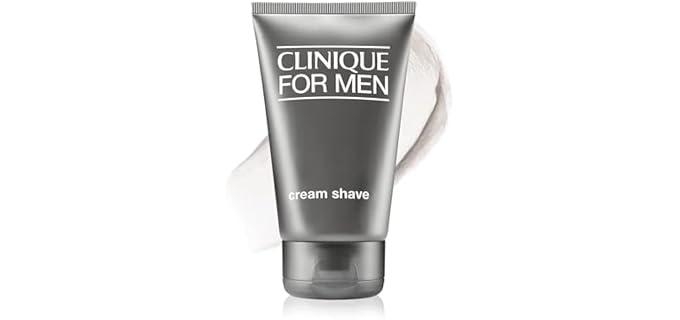
- Clinique lists this lathering cream as fragrance free, allergy tested and dermatologist tested.[16]
- It is preserved with chlorphenesin and phenoxyethanol, with no menthol, essential oils or formaldehyde releasers listed.[16]
- Glycerin and petrolatum sit high on the list, and the maker aims it at dry to very dry skin.[16]
- It comes in a tube, and a small amount worked into a lather covers one shave.
What Causes Ingrown Hair and How to Prevent It
Ingrown hairs aren’t caused by dirt clogging your pores. They form when a hair that has been shaved, waxed or tweezed grows back and curls into the skin, which happens more often with thick, coarse or curly hair.[3] Dead skin can also trap a hair under the surface, which is why gentle exfoliation helps release it.[3]
- Soften First – Shave at the end of a shower or hold a warm, damp washcloth on the area so the hairs swell and are less likely to curl back in.[2]
- Use a Shaving Cream or Gel – Wet the skin and hair well, then apply a shaving cream or gel.[3]
- Shave with the Grain – Shave in the direction the hair grows, and rinse the blade after every stroke.[1][3]
- Keep Blades Fresh – Replace disposable razors after 5 to 7 shaves and store them somewhere dry.[2] Cleveland Clinic suggests a single-blade razor, or an electric shaver held just above the skin so it doesn’t cut as close.[3]
- Exfoliate Gently – Exfoliating removes dead skin cells and helps release trapped hairs. Use warm, not hot, water and small circular motions.[3] For sensitive skin, a washcloth and a mild chemical exfoliant (an alpha or beta hydroxy acid) may be gentler than a scrub. Never exfoliate over cuts or sunburned skin.[17]
- Pat Dry – Pat your skin dry with a soft towel. Dermatologists warn that scrubbing irritates skin.[18]
- Finish Cool – Rinse with warm water, then hold a cool, damp washcloth on the shaved skin.[2]
Important facts regarding Ingrown Hair

- Who Gets Them – Anyone who shaves, waxes or tweezes. They’re most common on the beard area, legs, armpits and bikini line.[3]
- Symptoms – Small, itchy or painful bumps, sometimes with a hair visible in the middle. Infected bumps can grow larger, fill with pus and scar.[3]
- Don’t Shave Over Inflamed Bumps – Stopping shaving and letting the hair grow is the surest fix. Don’t pick at or squeeze ingrown hairs.[2][3]
- When to See a Dermatologist – Get bumps checked if they are painful, infected, keep coming back or leave dark marks, since folliculitis can look similar.[4] An itchy rash that appears after using a new product may be contact dermatitis, often triggered by fragrance or preservatives.[19]
Shaving Cream Ingredients for Ingrown Hair
 No shaving cream ingredient prevents ingrown hairs on its own. What matters is good glide and nothing that irritates.
- Glycerin and Gentle Moisturizers – All three picks list glycerin, which helps hydrate skin.[14][15][16]
- Skip Fragrance and Harsh Preservatives – Fragrances and preservatives such as formaldehyde releasers and methylisothiazolinone are common contact dermatitis triggers.[19]
- Go Easy on Tea Tree Oil – It can irritate skin and cause allergic reactions.[5]
How We Chose These Products
We research products using manufacturer information, ingredient lists, retailer listings and guidance from dermatology and health organizations. We do not test products in person. Read more in How We Research.Frequently Asked Questions (FAQ) About Shaving Cream for Ingrown Hairs
- Does shaving cream help with ingrown hairs? – It helps the razor glide, which reduces irritation, but technique matters more: soften the hair, shave with the grain and use a fresh blade.[2]
- Is it OK to shave over ingrown hairs? – It’s better to let inflamed bumps settle first. A warm compress for 10 to 15 minutes and gentle exfoliation can help a trapped hair release.[3]
- Will ingrown hairs go away? – Most clear up on their own within one to two weeks. See a healthcare provider if they become infected or don’t improve.[3]
Index Table: Top-Rated Shaving Cream for Ingrown Hair
| No. | Product | Image | Features | Brand |
|---|---|---|---|---|
| 1 | Vanicream Shave Cream - Fragrance-Free Cream for Sensitive Skin |  | Vanicream | |
| 2 | Aveeno Therapeutic Shave Gel - Fragrance-Free Oat Gel for Dry Skin |  | Aveeno | |
| 3 | Clinique For Men Cream Shave - Fragrance-Free Lathering Cream for Dry Skin |  | Clinique For Men |
Sources
- American Academy of Dermatology. Hair removal: How to shave. Accessed October 17, 2026.
- American Academy of Dermatology. 6 razor bump prevention tips from dermatologists. Accessed October 17, 2026.
- Cleveland Clinic. Ingrown Hair. Accessed October 17, 2026.
- American Academy of Dermatology. Acne-like breakouts could be folliculitis. Accessed October 17, 2026.
- NCCIH (NIH). Tea Tree Oil. Accessed October 17, 2026.
- Cleveland Clinic. Razor Burn: Causes & Treatment. Accessed October 17, 2026.
- The Art of Shaving. Lavender Shaving Cream 5 oz (ingredients). Accessed October 17, 2026.
- Apothecarie. The Art of Shaving Shaving Cream Lavender (earlier ingredient list). Accessed October 17, 2026.
- SkinSAFE. Premier Dead Sea Shaving Cream for Men (ingredients). Accessed October 17, 2026.
- NIVEA USA. NIVEA MEN Sensitive Post Shave Balm (product type and ingredients). Accessed October 17, 2026.
- CosmoProf. Elegance Transparent Shaving Gel – Jupiter (ingredients). Accessed October 17, 2026.
- Elegance. Elegance Transparent Shaving Gel (ingredients). Accessed October 17, 2026.
- The Razor Company. Bump Patrol Cool Shave Gel (ingredients). Accessed October 17, 2026.
- Vanicream. Vanicream Shave Cream (ingredients and product claims). Accessed October 17, 2026.
- Aveeno. Therapeutic Shave Gel with Oat for Dry Skin. Accessed October 17, 2026.
- Clinique. Clinique For Men Cream Shave (ingredients). Accessed October 17, 2026.
- American Academy of Dermatology. How to safely exfoliate at home. Accessed October 17, 2026.
- American Academy of Dermatology. Face washing 101. Accessed October 17, 2026.
- National Eczema Association. Contact Dermatitis. Accessed October 17, 2026.
Update History
- Oct 2026: Removed The Art of Shaving Lavender Shaving Cream (lavender oil), Premier Dead Sea Shaving Cream (fragrance and a formaldehyde releaser), NIVEA MEN Sensitive Post Shave Balm (an aftershave, not a shave cream; contains fragrance), Elegance Transparent Shaving Gel (fragrance and methylisothiazolinone) and Bump Patrol Cool Shave Gel (menthol and fragrance); added Vanicream Shave Cream, Aveeno Therapeutic Shave Gel and Clinique For Men Cream Shave; removed the scoring table; corrected the cause of ingrown hairs, the towel advice and the ingredient claims; added cited prevention tips and a Key Specs table; updated Sources (AAD, NEA, Cleveland Clinic, NIH NCCIH)
- Oct 2026: Product picks reviewed and updated; added Sources (AAD, Cleveland Clinic, NIH NCCIH)
- Aug 2022: Added hands-on review photos
- Apr 2022: Added Elegance Transparent Shaving Gel and The Art of Shaving video
- Mar 2022: Added The Art of Shaving Lavender Shaving Cream
- Feb 2021: Added NIVEA Men Sensitive Post Shave Balm
- Feb 2020: First published


