We may earn a commission when you buy through links on this page, at no extra cost to you; see our Affiliate Disclosure.
Many women with sensitive skin find that shaving leaves their skin dry and itchy. The right routine and a gentle, fragrance-free product make a real difference. Below are tips and the 3 products that passed our ingredient check.
Key Specs Compared
Numbers match the reviews below (tap to jump).
| # | Form | Size | Scent | Key ingredients | Skin type (stated) |
|---|---|---|---|---|---|
| 1 | Cream | 6 oz | Fragrance-free | Glycerin, Panthenol | Sensitive |
| 2 | Gel | 7 oz | Fragrance-free | Oat, Vitamin E | Dry, normal |
| 3 | Cream | 4.2 oz | Fragrance-free | Glycerin, Petrolatum | Dry |
– not stated in the listing · Specs as stated by the maker; check the label before you buy · Not a treatment for any skin condition
Shaving sensitive areas
- Stand while trimming or shaving, use a clean razor, and don’t share razors or trimmers.[1]
- Moisturize afterward with a fragrance-free product that won’t clog pores.[1]
- Shaving often can cause ingrown hairs; a single-blade razor and shaving with the grain can help.[2]
- Shaving results are short-lived; waxing and depilatories last longer but can irritate skin.[3]
This guide is general information, not medical advice.
Our Picks: Shaving Creams for Women with Sensitive Skin
In our October 2026 review we removed four of the five previous picks. Cremo French Lavender lists fragrance[4]. The Venus Satin Care Ultra Sensitive gel is not fragrance-free: Gillette lists eucalyptus and lavender as its scent, with lavender and eucalyptus oils in the formula[5]. Skintimate Coconut Delight lists fragrance and is sold for its coconut-and-plumeria scent[6], and Flamingo’s shave gel lists fragrance and hydroxycitronellal for its floral scent[7]. The 3 products below passed our check.1
Vanicream® Shave Cream Fragrance-Free Cream for Sensitive Skin


Currently unavailable
- Vanicream made this non-lathering cream for easily irritated, sensitive skin, and it works for legs, underarms and the bikini area.[8]
- It is labeled free of fragrance, lanolin, dyes, formaldehyde and alcohol, with no botanical extracts or essential oils.[8]
- Glycerin and panthenol are among the listed ingredients.[8]
- Spread a thin layer on wet skin and rinse the razor often so it doesn’t clog.[8]
2
Aveeno® Therapeutic Shave Gel Fragrance-Free Oat Gel for Dry Skin


Currently unavailable
- This unisex gel is labeled fragrance free and allergy tested, and Aveeno says it contains no soap.[9]
- Oat flour is the featured ingredient, and the maker aims it at normal to dry skin, a good fit for legs that dry out after shaving.[9]
- It turns from gel to lather as you rub it over wet skin.[9]
- It comes in a pressurized can, so if you prefer to avoid canned products, Vanicream is the simpler pick.[9]
3
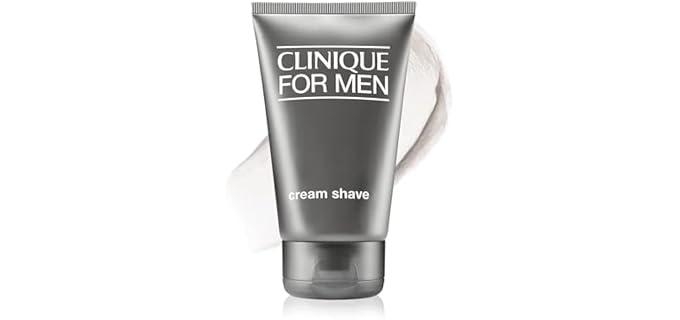
Clinique For Men® Cream Shave Fragrance-Free Lathering Cream for Dry Skin


Currently unavailable
- This is sold as a men’s product, but nothing in the formula is gender-specific, and it is one of the few lathering creams we found that is truly fragrance free.[10]
- Clinique lists it as fragrance free, allergy tested and dermatologist tested, preserved with chlorphenesin and phenoxyethanol.[10]
- Glycerin and petrolatum sit high on the list, and the maker aims it at dry to very dry skin.[10]
- It is sized for faces (4.2 oz), so it runs out faster if you shave your legs.
Shaving Sensitive Skin
These tips help when shaving your legs and other areas with sensitive skin. Start by choosing alcohol-free, fragrance-free products.- Soak First – Shave after a warm shower or bath, when skin and hair are soft.[11]
- Exfoliate Gently, If at All – For sensitive or dry skin, dermatologists suggest a soft washcloth and a mild chemical exfoliant rather than scrubs, loofahs or brushes, which can be too irritating. Never exfoliate over cuts or sunburned skin.[12]
- Use a Sensitive-Skin Product – Apply a shaving cream or gel labeled for sensitive skin.[11] Look for “fragrance free” rather than “unscented,” since unscented products can still contain a masking fragrance.[1]
- Shaving – Shave in the direction the hair grows, rinse the blade after each swipe, and use light strokes.[11]
- Drying – Rinse, then pat dry with a soft towel rather than rubbing.
- Moisturize – Apply a fragrance-free moisturizer that won’t cause acne to ease the dryness that often follows shaving.[1]
Shaving Cream Vs Shaving Gels
While shaving creams and shave gels can help you get a smoother, softer shave, they differ mainly in consistency. Shaving creams have an airy texture that lathers up, while shaving gels are clear and lightweight. Choosing between the two comes down to personal preference. If you’re a shaving newbie, a shaving gel may be easier to work with. Clear, non-foaming gels let you see where you’re shaving, though many gels in cans turn into a lather as you rub them in. On the other hand, if you enjoy classic lathering formulas, a shaving cream is likely to be a better fit.Features of a Good Shaving Cream for Women’s Sensitive Skin

- Ingredients – Choose a moisturizing, hydrating formula, and read the full ingredient list rather than the front label.
- Stay Clear Of – Skip fragrance (including “natural” scents such as lavender or eucalyptus oil), dyes and alcohol. Fragrances and preservatives such as formaldehyde and methylisothiazolinone are common contact dermatitis triggers.[13] Even some unscented products contain fragrance ingredients.[14]
- Formula – Pick a rich cream for dry skin; a lighter gel may suit normal or oily skin.
Index Table: Top Rated Women’s Shaving Cream for Sensitive Skin
| No. | Product | Image | Features | Brand |
|---|---|---|---|---|
| 1 | Vanicream Shave Cream - Fragrance-Free Cream for Sensitive Skin |  | Vanicream | |
| 2 | Aveeno Therapeutic Shave Gel - Fragrance-Free Oat Gel for Dry Skin |  | Aveeno | |
| 3 | Clinique For Men Cream Shave - Fragrance-Free Lathering Cream for Dry Skin |  | Clinique For Men |
Sources
- American Academy of Dermatology. 7 ways to prevent injuries while trimming pubic hair. Accessed October 17, 2026.
- Cleveland Clinic. Ingrown Hair. Accessed October 17, 2026.
- American Academy of Dermatology. 6 ways to remove unwanted hair. Accessed October 17, 2026.
- Cremo. French Lavender Shave Cream (ingredients). Accessed October 17, 2026.
- Gillette Venus. Satin Care Ultra Sensitive Shave Gel (fragrance and ingredients). Accessed October 17, 2026.
- Target. Skintimate Coconut Delight Shaving Cream and Gel (ingredients). Accessed October 17, 2026.
- Flamingo. Foaming Shave Gel (scent and ingredients). Accessed October 17, 2026.
- Vanicream. Vanicream Shave Cream (ingredients and product claims). Accessed October 17, 2026.
- Aveeno. Therapeutic Shave Gel with Oat for Dry Skin. Accessed October 17, 2026.
- Clinique. Clinique For Men Cream Shave (ingredients). Accessed October 17, 2026.
- American Academy of Dermatology. Hair removal: How to shave. Accessed October 17, 2026.
- American Academy of Dermatology. How to safely exfoliate at home. Accessed October 17, 2026.
- National Eczema Association. Contact Dermatitis. Accessed October 17, 2026.
- U.S. Food and Drug Administration. Fragrances in Cosmetics. Accessed October 17, 2026.
Update History
- Oct 2026: Removed Cremo French Lavender Shave Cream (contains fragrance), Gillette Venus Satin Care Ultra Sensitive Shave Gel (contains lavender and eucalyptus oils), Skintimate Coconut Delight Shave Gel (contains fragrance) and Flamingo Foaming Shave Gel (contains fragrance); added Aveeno Therapeutic Shave Gel and Clinique For Men Cream Shave; corrected the Venus “dye- and fragrance-free” claim, the Vanicream specs (it is lanolin-free and fragrance-free) and the exfoliation advice; added cited tips on fragrance-free versus unscented labels, gentle exfoliation and moisturizing; updated Sources (AAD, FDA, NEA, Cleveland Clinic)
- Oct 2026: Product picks reviewed and updated; added a Key Specs table; added Sources (AAD, Cleveland Clinic)
- May 2022: First published


