We may earn a commission when you buy through links on this page, at no extra cost to you; see our Affiliate Disclosure.
Oily skin needs a shaving routine that cleans gently without stripping it, and products that won’t clog pores.[1] Below are dermatologist tips for shaving oily skin and the fragrance-free picks that passed our check.
Key Specs Compared
Numbers match the reviews below (tap to jump).
| # | Form | Size | Scent | Key ingredients | Skin type (stated) |
|---|---|---|---|---|---|
| 1 | Cream | 6 oz | Fragrance-free | Glycerin, Panthenol | Sensitive |
| 2 | Gel | 7 oz | Fragrance-free | Oat, Vitamin E | Dry, normal |
– not stated in the listing · Specs as stated by the maker; check the label before you buy · Not a treatment for any skin condition
Shaving and skin type
- Shave after a warm shower and use a shaving cream or gel; for dry or sensitive skin, look for “sensitive skin” on the label.[2]
- For oily skin, dermatologists suggest products labeled “oil free” and “noncomedogenic.”[1]
- Moisturize right after shaving while skin is still damp.[3]
- Marketing words like “natural” or “hypoallergenic” aren’t defined by the FDA for cosmetics.[4]
This guide is general information, not medical advice.
Basic Tips for Shaving on Oily Skin and Acne
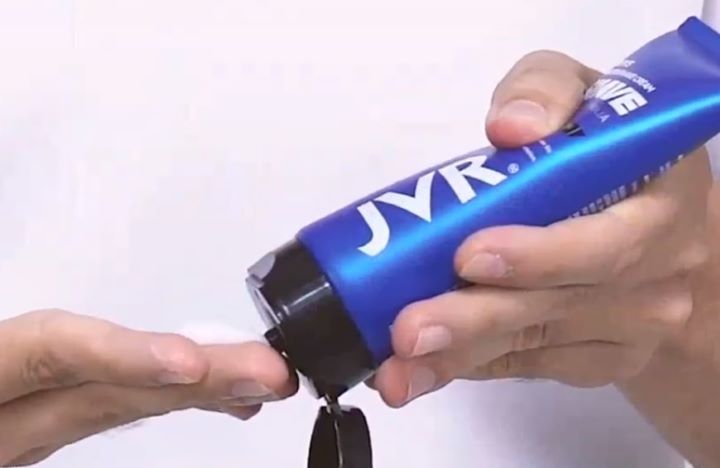
- Wash Gently First – Wash your face with a mild, gentle foaming cleanser and warm water, and don’t scrub. Scrubbing and harsh cleansers irritate the skin and can trigger more oil.[1]
- Shave When Hair Is Soft – Shave after a shower, use a shaving cream or gel, and shave in the direction the hair grows.[2]
- Gentle Strokes – If you have acne, shave lightly with a sharp blade, and never try to shave off pimples.[2]
- Still Moisturize – Oily skin still needs moisturizer. Choose one labeled oil free and noncomedogenic; see our aftershave for oily skin guide.[1]
What causes Oily Skin?
- Harsh Products – A face wash that is too harsh can irritate your skin and trigger increased oil production.[1]
- Oil- or Alcohol-Based Cleansers – Dermatologists advise against them for oily skin because they can irritate it.[1]
- When to Get Help – If you’re concerned about how much oil your skin makes, or you have blackheads or acne, see a board-certified dermatologist.[1]
What to Look For in Shaving Cream for Oily Skin
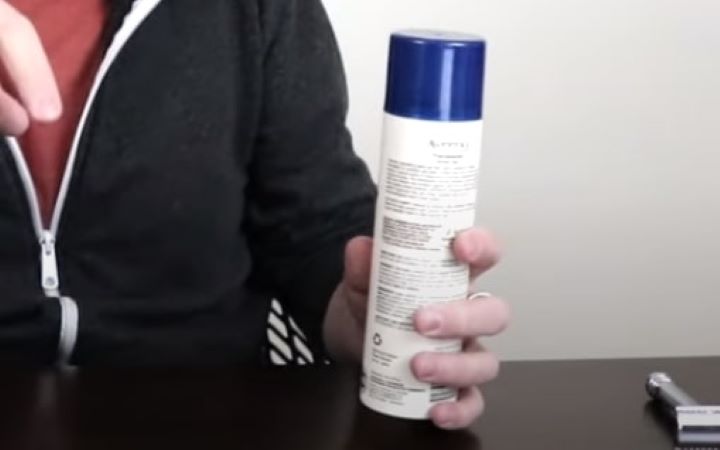
- Oil Free and Noncomedogenic – The AAD suggests products with these labels because they won’t clog pores.[1]
- Fragrance-Free – Fragrance ingredients, including essential oils, can trigger allergic reactions.[5]
- “Sensitive” Isn’t the Same as “Oil Free” – A formula made for sensitive skin can still contain plant oils and butters. Check the label for oil-free and noncomedogenic claims.[1]
- Ignore “Natural” – “Natural” has no official FDA definition for cosmetics, and it doesn’t mean a product won’t clog pores.[4]
How We Chose These Products
We research products using manufacturer information, ingredient lists, retailer listings and guidance from dermatology and health organizations. We do not test products in person. Read more in How We Research.Frequently Asked Questions (FAQ) on Shaving Cream For Oily Skin
Is shaving good for oily skin?
Shaving is fine for oily skin as long as you use a shaving cream or gel, shave with the grain and use a sharp blade.[2] Choose oil-free, noncomedogenic products rather than relying on a “natural” label.[1][4]
Can I use shaving cream as a face wash?
No. Shaving cream is made to lubricate the blade, not to cleanse. For oily skin, dermatologists recommend a mild, gentle foaming face wash, used up to twice a day and after sweating.[1]
Is shaving cream good for acne?
Shaving cream doesn’t treat acne, and “natural” ingredients don’t remove oil from pores. If you have acne, shave gently with a sharp blade, and see a dermatologist for treatment.[2][1]
How do I keep my skin from getting oily after shaving?
Use an oil-free, noncomedogenic moisturizer, blot shine with blotting papers rather than rubbing, and avoid touching your face during the day.[1]
Our Picks: Shaving Cream for Oily Skin
In our October 2026 review, all five previous picks failed our check, so we removed them:- Cremo Sensitive – It says it has no synthetic fragrance, but it lists lavender, chamomile, helichrysum and geranium oils, plus macadamia seed oil.[6]
- Harry’s Foaming Shave Gel – The ingredient list includes fragrance.[7]
- Bevel Clear Shave Gel – The ingredient list includes fragrance.[8]
- NIVEA MEN Sensitive Shave Gel – Despite the “sensitive” name, it lists fragrance.[9]
- Billie Whipped Shave Cream – It is fragrance-free, but it contains coconut oil, olive oil and shea butter[10], so it isn’t the oil-free formula the AAD suggests for oily skin.[1]
1
Vanicream® Shave Cream Fragrance-Free, Oil-Free Cream


- Vanicream labels this non-lathering cream oil-free and non-comedogenic, which is what the AAD suggests for oily skin.[11][1]
- It has no fragrance, essential oils or botanical extracts, and it is alcohol-free.[11]
- Glycerin and panthenol are among the listed ingredients.[11]
- Spread a thin layer on wet skin and rinse the razor often so it doesn’t clog.[11]
2
Aveeno® Therapeutic Shave Gel Fragrance-Free Oat Shave Gel


- Aveeno labels this gel fragrance free and allergy tested, and says it contains no soap.[12]
- It turns from gel to a light lather on wet skin and rinses off after shaving.[12]
- Note for oily skin: Aveeno aims it at normal to dry skin and doesn’t label it oil-free or noncomedogenic, so Vanicream is the safer choice if you break out easily.[12][1]
- It comes in a pressurized can, so if you prefer to avoid canned products, Vanicream is the simpler pick.[12]
Index Table: Top-Rated Shaving Cream for Oily Skin
| No. | Product | Image | Features | Brand |
|---|---|---|---|---|
| 1 | Vanicream Shave Cream - Fragrance-Free, Oil-Free Cream |  | Vanicream | |
| 2 | Aveeno Therapeutic Shave Gel - Fragrance-Free Oat Shave Gel |  | Aveeno |
Sources
- American Academy of Dermatology. How to control oily skin. Accessed October 17, 2026.
- American Academy of Dermatology. Hair removal: How to shave. Accessed October 17, 2026.
- American Academy of Dermatology. Dermatologists’ top tips for relieving dry skin. Accessed October 17, 2026.
- U.S. Food and Drug Administration. Cosmetics Labeling Claims. Accessed October 17, 2026.
- U.S. Food and Drug Administration. Fragrances in Cosmetics. Accessed October 17, 2026.
- Cremo. Sensitive Skin Shave Cream (ingredients). Accessed October 17, 2026.
- Harry’s. Shave Gel (ingredients). Accessed October 17, 2026.
- Bevel. Clear Shave Gel (ingredients). Accessed October 17, 2026.
- NIVEA USA. NIVEA MEN Sensitive Shave Gel (ingredients). Accessed October 17, 2026.
- Online store. Billie Whipped Shave Cream – Ultra Gentle (product listing). Accessed October 17, 2026.
- Vanicream. Vanicream Shave Cream (ingredients and product claims). Accessed October 17, 2026.
- Aveeno. Therapeutic Shave Gel with Oat for Dry Skin. Accessed October 17, 2026.
Update History
- Oct 2026: Removed Cremo Sensitive (essential oils), Harry’s Foaming Shave Gel (fragrance), Bevel Clear Shave Gel (fragrance), NIVEA MEN Sensitive Shave Gel (fragrance) and Billie Whipped Shave Cream (contains coconut oil, olive oil and shea butter, so it is not oil-free); added Vanicream Shave Cream and Aveeno Therapeutic Shave Gel; corrected the FAQ claims about natural ingredients removing oil and using shaving cream as a face wash, and the assumption that sensitive-skin formulas suit oily skin; removed product scores; updated the Key Specs table; updated Sources (AAD, FDA, makers)
- Oct 2026: Product picks reviewed and updated; added a Key Specs table; added Sources (AAD, FDA)
- Sep 2021: Added hands-on review photos
- Apr 2021: Added Harry’s Shave Gel
- Jan 2021: Added Nivea Men Sensitive Shaving Gel
- Feb 2020: First published


