We may earn a commission when you buy through links on this page, at no extra cost to you; see our Affiliate Disclosure.
We have all experienced some flaw or blemish in shaving, whether it’s an allergic reaction, irritation, razor burn, razor bumps, or even ingrown hairs. Some individuals may even be more acquainted than just once with at least one or two of these shaving perils. In the end, we meticulously try to avoid such incidents and consequences with every shave by enhancing our technique, changing our products and shaving tools, and even trying a few internet hacks or remedies. One concern that mostly stands out when shaving, in both men and women, is razor bumps, those awful little protruding red blemishes that are painful and unsightly.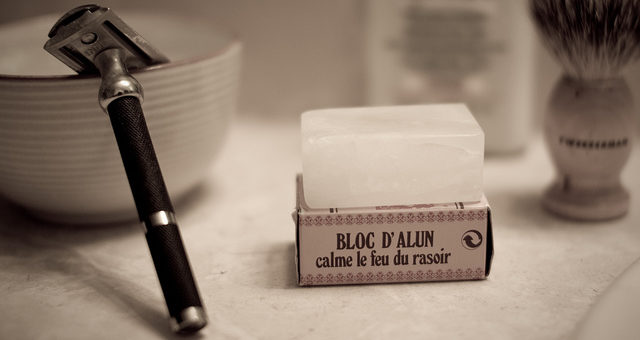
Shaving and your skin
- Shave after a warm shower or a warm compress, use a shaving cream or gel, and shave in the direction the hair grows.[1]
- Razor bumps and ingrown hairs come from hairs curling back into the skin; shaving less closely and replacing blades after 5 to 7 shaves can help.[2][3]
- See a dermatologist for bumps that are painful, infected, keep coming back or leave dark marks.[4]
- Dry shaving, shaving too fast or using a dull blade can cause razor burn.[5]
This guide is general information, not medical advice.
What Are Razor Bumps and What Causes Them
Razor bumps (medical name: pseudofolliculitis barbae) form when shaved hairs curl back and grow into the skin, causing inflamed bumps that can fill with pus and leave scars or dark marks.[6][3] They are most common in people with thick, coarse or curly hair.[3]- Hair Removal Itself – Shaving, waxing and tweezing can all lead to ingrown hairs.[3]
- Shaving Too Close or Against the Grain – Hairs cut very close to the skin can turn back into it, and shaving against the grain irritates the skin.[7][2]
- Dry Shaving or Dull Blades – Skipping the shaving cream or gel, using a dull blade and rushing all raise the risk of irritation.[5][1]
- Irritating Products – Fragrance in skin products can irritate skin and cause reactions.[8]
How to Treat a Razor Bump
- Pause Shaving – The most reliable fix is to stop shaving until the bumps clear. DermNet says this takes about 4–6 weeks, and Mayo Clinic says 1 to 6 months, so expect longer than the 3–4 weeks often quoted. Trimming with clippers is fine.[6][7]
- Don’t Squeeze or Pick – Picking, scratching or popping the bumps can lead to infection and scarring.[3]
- Don’t Tweeze Them Out – Mayo Clinic advises against tweezing ingrown hairs. If a hair loop is visible above the skin, you can gently lift the tip out with a sterile needle.[7]
- Exfoliate Gently – Gentle exfoliation removes dead skin and can help release ingrown hairs. A lotion with glycolic acid also helps reduce the risk of new bumps.[3][7][6]
- Soothe Afterwards – Rinse, apply a cool wet cloth for a few minutes, then a soothing after-shave product. Mayo Clinic says 1% hydrocortisone can be used if needed, for no more than four weeks.[7]
When to See a Dermatologist
See a dermatologist if bumps are painful, infected, keep coming back or leave dark marks.[4] They may prescribe a retinoid cream such as tretinoin, a steroid cream, antibiotic creams or pills, or recommend laser hair removal.[7][6]Tips and Tricks to Prevent Razor Bumps
- Prep – Wash the area and soften the hair with warm water, or shave right after a shower.[1][7]
- Lubricate – Apply a shaving cream or gel and don’t let it dry out.[1][7]
- Shave with the Grain – Shave in the direction of hair growth, don’t pull your skin tight, and rinse the blade after each stroke.[2][7]
- Don’t Shave Too Close – Leaving a little stubble, for example with electric clippers, lowers the risk.[7][2]
- Fresh, Clean Blades – Replace disposable razors or blades after 5–7 shaves and store them somewhere dry.[2]
- Cool Down – Afterwards, apply a cool, damp washcloth to the skin.[2]
Choosing Your Razor
More blades are not better for bump-prone skin. Hair cut very close to the skin is more likely to curl back in,[7] and Cleveland Clinic and Mayo Clinic both recommend a single-blade razor.[3][7] Mayo Clinic also suggests electric clippers set to leave stubble.[7] An electric shaver held just above the skin is another option, and DermNet notes razor bumps are less common with electric shavers than with blade razors.[3][6]Last but not Least
Keep your razor clean, dry and sharp, shave gently with the grain, and give your skin a break when bumps flare. If they keep coming back, a dermatologist can help.[2][4]Sources
- American Academy of Dermatology. Hair removal: How to shave. Accessed October 17, 2026.
- American Academy of Dermatology. 6 razor bump prevention tips from dermatologists. Accessed October 17, 2026.
- Cleveland Clinic. Ingrown Hair. Accessed October 17, 2026.
- American Academy of Dermatology. Acne-like breakouts could be folliculitis. Accessed October 17, 2026.
- Cleveland Clinic. Razor Burn: Causes & Treatment. Accessed October 17, 2026.
- DermNet. Pseudofolliculitis barbae. Accessed October 17, 2026.
- Mayo Clinic. Ingrown hair: Diagnosis and treatment. Accessed October 17, 2026.
- U.S. Food and Drug Administration. Fragrances in Cosmetics. Accessed October 17, 2026.
Update History
- Oct 2026: Removed the advice to squeeze out pus and tweeze ingrown hairs, the “three or more blades are vital” claim and the Defender razor section; added the medical name, safer ingrown-hair release, prescription options and when to see a dermatologist, with sources (AAD, Cleveland Clinic, Mayo Clinic, DermNet, FDA)
- Oct 2026: Guide reviewed and updated; added Sources (AAD, Cleveland Clinic)
- Mar 2019: First published


