We may earn a commission when you buy through links on this page, at no extra cost to you; see our Affiliate Disclosure.
Four common shaving habits that are bad for your skinShaving basics
- Wet your skin and hair first, use a shaving cream or gel, and shave in the direction the hair grows.[1][2]
- Rinse the blade after each stroke, replace blades after 5 to 7 shaves, and store razors dry.[1]
- Clean electric shavers regularly; check the FDA and CPSC recall lists if you’re unsure about a product.[3]
This guide is general information, not medical advice.
#1. Cold Water Shave
 Despite what your grandpa said about shaving with cold water when he was “your age.” The truth is that shaving with cold water can cause shaving irritation. Here’s Why: Coldwater causes your pores to close up, making removing the hair more difficult. Cold water should only be used at the end of your shave when you’re fully rinsed off.
#2. Dry Shaving
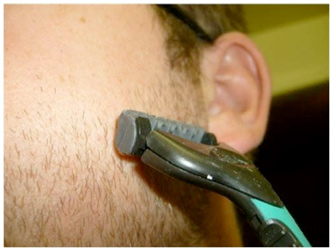 Dry shaving will leave you with razor burn and irritation, damaging the skin. Here’s Why: First, shaving when your skin is dry will dull your razor blades fast.
Secondly, you shave more oils and debris left on your skin.
#3. Razor Blade System
 Arguably, 5 or 6 blades work better.
Recent research shows that 5-6 blades aren’t unnecessary for a better shave. Preparing the skin is really where a good shave begins. A three-blade system is best for men with sensitive skin.
#4. Soap as Shaving Lather
 The lather from the soap is made up mostly of glycerin and agents that strip the skin of oil. Shaving oil and creams contain ingredients that create a buffer between your skin and the razor blade. It provides a great slippery surface, allowing your razor to glide more smoothly, and protects your skin from being stripped of its oils.
Sources
- American Academy of Dermatology. Hair removal: How to shave. Accessed October 16, 2026.
- American Academy of Dermatology. 6 razor bump prevention tips from dermatologists. Accessed October 16, 2026.
- U.S. Food and Drug Administration. Recalls, Market Withdrawals, & Safety Alerts. Accessed October 16, 2026.
Update History
- Oct 2026: Guide reviewed and updated; added Sources (AAD, FDA)


