We may earn a commission when you buy through links on this page, at no extra cost to you; see our Affiliate Disclosure.
Razor burn is painful and unsightly, but it is common and usually clears up on its own within a few hours to a few days.[1] Most cases can be prevented with better prep, technique and razor care. This guide covers how, for men and women alike.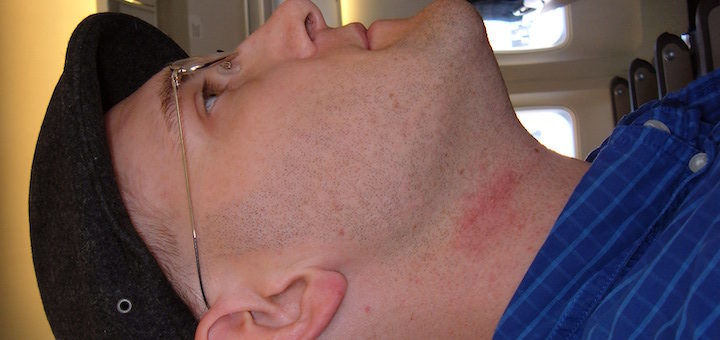
Shaving and your skin
- Shave after a warm shower or a warm compress, use a shaving cream or gel, and shave in the direction the hair grows.[2]
- Razor bumps and ingrown hairs come from hairs curling back into the skin; shaving less closely and replacing blades after 5 to 7 shaves can help.[3][4]
- See a dermatologist for bumps that are painful, infected, keep coming back or leave dark marks.[5]
- Tea tree oil can irritate skin and cause allergic reactions in some people.[6]
- Dry shaving, shaving too fast or using a dull blade can cause razor burn.[1]
This guide is general information, not medical advice.
What is Razor Burn and What Causes It
Razor burn is irritation that shows up right after shaving, often as redness, a burning or stinging feeling, itching, tenderness or small bumps. It is different from razor bumps, which form later when shaved hairs curl back into the skin.[1][4]- Dry Shaving – Shaving without water and a shaving cream or gel is a common cause.[1]
- Dull or Dirty Blades – An old razor, or one clogged with hair and soap, drags across the skin.[1]
- Poor Technique – Shaving too fast, against the grain, or over the same spot more than once all raise the risk.[1]
- Irritating Products – Products containing fragrance, alcohol or other irritants can make it worse, so choose fragrance-free products if your skin reacts.[1]
Tips on Preventing Razor Burn
- Shave Clean, Wet and Warm – Shave after a warm shower, or hold a warm compress on the skin first to soften the hair.[2]
- Use a Shaving Cream or Gel – Lubrication helps the blade glide. If your skin is sensitive, choose a product labeled for sensitive skin.[2]
- Shave with the Grain – Use light, short strokes in the direction of hair growth, and rinse the razor after every few strokes.[1][2]
- Rinse Cool – Rinse with cold water or apply a damp washcloth after shaving.[1]
- Moisturize – Use a hydrating lotion or gel without fragrance or other irritants.[1]
- Razor Care – Clean and dry your razor, store it somewhere dry, and replace blades or disposables after 5–7 shaves.[1][2]
- Razor Type – Cleveland Clinic and Mayo Clinic recommend a single-blade razor for skin prone to ingrown hairs and bumps.[4][7] A double-edge safety razor is one single-blade option, but it takes practice to use without nicks.
Soothing Razor Burn
- Cool Compress – A cool washcloth helps soothe the skin.[1]
- Aloe Vera or a Moisturizer – Aloe vera gel or a fragrance-free, alcohol-free moisturizing lotion soothes and moisturizes.[1]
- Hydrocortisone 1% – Over-the-counter hydrocortisone can calm inflammation.[1] Use it only short term, and don’t use it on your face without asking a pharmacist or doctor first.[8]
- Let It Heal – Avoid shaving the area until it clears.[1]
Ingredients to Be Careful With
Tea tree oil can irritate skin and cause allergic reactions in some people, so we no longer suggest it.[6] Chamomile can cause allergic reactions, especially in people allergic to related plants such as ragweed or daisies.[9] Check the label of any balm for these and for fragrance and alcohol.[1] Our roundup of aftershaves for razor-burned skin can help you compare options.When to See a Doctor
If home care doesn’t clear razor burn within a few days, call your healthcare provider, since you may need treatment such as an antibiotic.[1] See a dermatologist for bumps that are painful, infected, keep coming back or leave dark marks.[5]In Conclusion
Prep with warm water, use a shaving cream or gel, shave with the grain using a sharp, clean blade, and finish with cool water and a fragrance-free moisturizer.[2][1] Most razor burn fades within days. See a doctor if it doesn’t.[1]Sources
- Cleveland Clinic. Razor Burn: Causes & Treatment. Accessed October 17, 2026.
- American Academy of Dermatology. Hair removal: How to shave. Accessed October 17, 2026.
- American Academy of Dermatology. 6 razor bump prevention tips from dermatologists. Accessed October 17, 2026.
- Cleveland Clinic. Ingrown Hair. Accessed October 17, 2026.
- American Academy of Dermatology. Acne-like breakouts could be folliculitis. Accessed October 17, 2026.
- NCCIH (NIH). Tea Tree Oil. Accessed October 17, 2026.
- Mayo Clinic. Ingrown hair: Diagnosis and treatment. Accessed October 17, 2026.
- NHS. Hydrocortisone for skin. Accessed October 17, 2026.
- NCCIH (NIH). Chamomile. Accessed October 17, 2026.
Update History
- Oct 2026: Removed the tea tree, chamomile and comfrey oil suggestions, the G.B.S. razor photo and the empty customer-comments section; added cited soothing steps, when to see a doctor and single-blade razor guidance (AAD, Cleveland Clinic, Mayo Clinic, NHS, NCCIH)
- Oct 2026: Guide reviewed and updated; added Sources (AAD, Cleveland Clinic, NIH NCCIH)
- Mar 2019: First published


