We may earn a commission when you buy through links on this page, at no extra cost to you; see our Affiliate Disclosure.
The main aim of shaving is to get a smooth, stubble-free finish that feels soft to the touch. Unless you are growing out your beard for fashion shaving is undoubtedly part of your daily routine.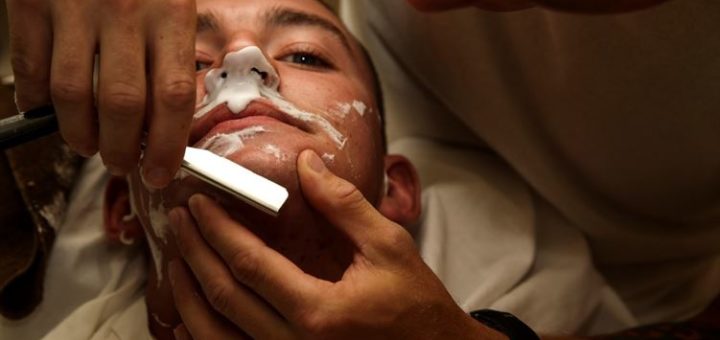
Shaving and your skin
- Shave after a warm shower or a warm compress, use a shaving cream or gel, and shave in the direction the hair grows.[1]
- Razor bumps and ingrown hairs come from hairs curling back into the skin; shaving less closely and replacing blades after 5 to 7 shaves can help.[2][4]
- See a dermatologist for bumps that are painful, infected, keep coming back or leave dark marks.[5]
- Dry shaving, shaving too fast or using a dull blade can cause razor burn.[3]
This guide is general information, not medical advice.
Smooth Shave Techniques
First and foremost, your technique may have been passed down from your grandfather, his father, and so on, but it may not be that effective. So here are a few tips to improve your shaving technique;
- Start with a sharp, clean razor.
- Shave using short bursts of very gentle strokes.
- Pay attention to the direction your hair grows and shave with the grain.
- After shaving with the grain, you can very lightly shave against the grain with short strokes.
- Rinse your blade in hot water often, preferably after every short stroke.
- When you are done, rinse your face with cold water, which helps close the pores and prevent rashes and razor bumps.
Pre- and Post-Shave Regime
But before we get to shaving techniques and tools, the first step in any shaving routine is your pre- and post-shave care after every shave. This is the most important step in preventing rashes and ingrown hairs and keeping your skin safe and healthy.- First, clean your face thoroughly and try to exfoliate before every shave with a high-quality product specific to your skin type.
- Use a moisturizing face wash, because you don’t want to strip your face of its natural oils.
- Choose a thick, moisturizing shaving cream, gel, or foam (whichever you prefer) and apply it generously over your entire face and neck.
- Let the shaving product soak into your skin for a few minutes, then start shaving using the recommended technique.
- Reapply the shaving product before you shave against the grain.
- Rinse your face thoroughly and apply a moisturizing aftershave balm or cologne.
A Good Razor for Your Skin Type
We have all been waiting for the shaving tools we’ve been waiting for. Let us be frank; we each have our favorite brand and taste when it comes to razors and blades. So, to get the facts straight: yes, the smoothest, closest shave you will get is with a straight razor, but that is an art form reserved for professionals. Straight razors are dangerous and can do more harm than good if used improperly. Next in line, multiblade and cartridge razors will give you that close, smooth shave you have always wanted, but the catch is finding the one that works best for you. Works best for you. In the end, it is always good to invest in high-quality and well-known brands; you are more likely to have success with an innovative and quality brand. Blades; Cartridge and multiblade razors come with blades, and this is where we all cringe because a good-quality cartridge blade is downright expensive.
That said, take time to compare how long you can use your “expensive” blade versus others, and with good care and maintenance, you can even prolong its life. In the end, a good razor blade needs a system that is easy to rinse and clean, will not clog, and stays sharp. Another factor is pulling and tugging; a razor blade with multiple blades spaced further apart will not pull or tug. Flexibility is also key for hard-to-reach areas, as are a pivoting head and free-suspension blades.
Blade Types for your Skin Type
One thing I would highly recommend is to get the proper blade type for your skin, particularly if you have irritated and sensitive skin;- A regular blade offers a smooth, comfortable, hassle-free shave but provides little protection against sensitivity.
- A sensitive blade gives you a close yet gentler shave for that little extra care.
- An Extra Sensitive blade will likely prevent irritation, razor bumps, and ingrown hair, but most likely won’t initially provide the closest, smoothest shave.
Tips for a Smoother Shave
In the end, as you can see, it is all up to your tools, products, and technique to ensure the smoothest and most comfortable shave, and if you have mastered this and not seen an improvement, here are some more shaving tips;- Never shave on dry skin; you risk cuts and irritation.
- Use warm water, not hot water, to soften your skin.
- Do not use soap; use shaving cream, gel, or foam.
- Don’t lend your razor to partners, friends, or family.
- Pay attention to your hair growth direction, shave with the grain, and then against the grain if you must.
- Shave more often to prevent pulling and tugging.
- Stay out of the sun, use good sunscreen, and never shave sunburnt skin.
- Replace your blades regularly and keep them clean and dry.
Choosing the Right Razor
When choosing your Razor, keep these features in mind;Number of Blades
A razor with three or more blades is ideal for a closer shave. Be sure to check the spacing between the blades. A good example of a razor that offers three blades The Defender razor brand offers ample spacing.Design
The blades should be flexible, and the cartridge head should pivot. Also, look for an ergonomic handle with a good grip.Lubrication Strip
A razor blade with a lubrication strip is great for dry, sensitive skin and helps prevent nicks and cuts.Handle
Make sure the handle material isn’t slippery and has an easy-to-use design.In the End
Finding the perfect razor is now your mission; the tips and techniques I have shared should help you get a closer, smoother shave.Sources
- American Academy of Dermatology. Hair removal: How to shave. Accessed October 16, 2026.
- American Academy of Dermatology. 6 razor bump prevention tips from dermatologists. Accessed October 16, 2026.
- Cleveland Clinic. Razor Burn: Causes & Treatment. Accessed October 16, 2026.
- Cleveland Clinic. Ingrown Hair. Accessed October 16, 2026.
- American Academy of Dermatology. Acne-like breakouts could be folliculitis. Accessed October 16, 2026.
Update History
- Oct 2026: Guide reviewed and updated; added Sources (AAD, Cleveland Clinic)
- Mar 2019: First published


